


1. People often imagine professional musicians simply perform concerts. What does the job actually look like?
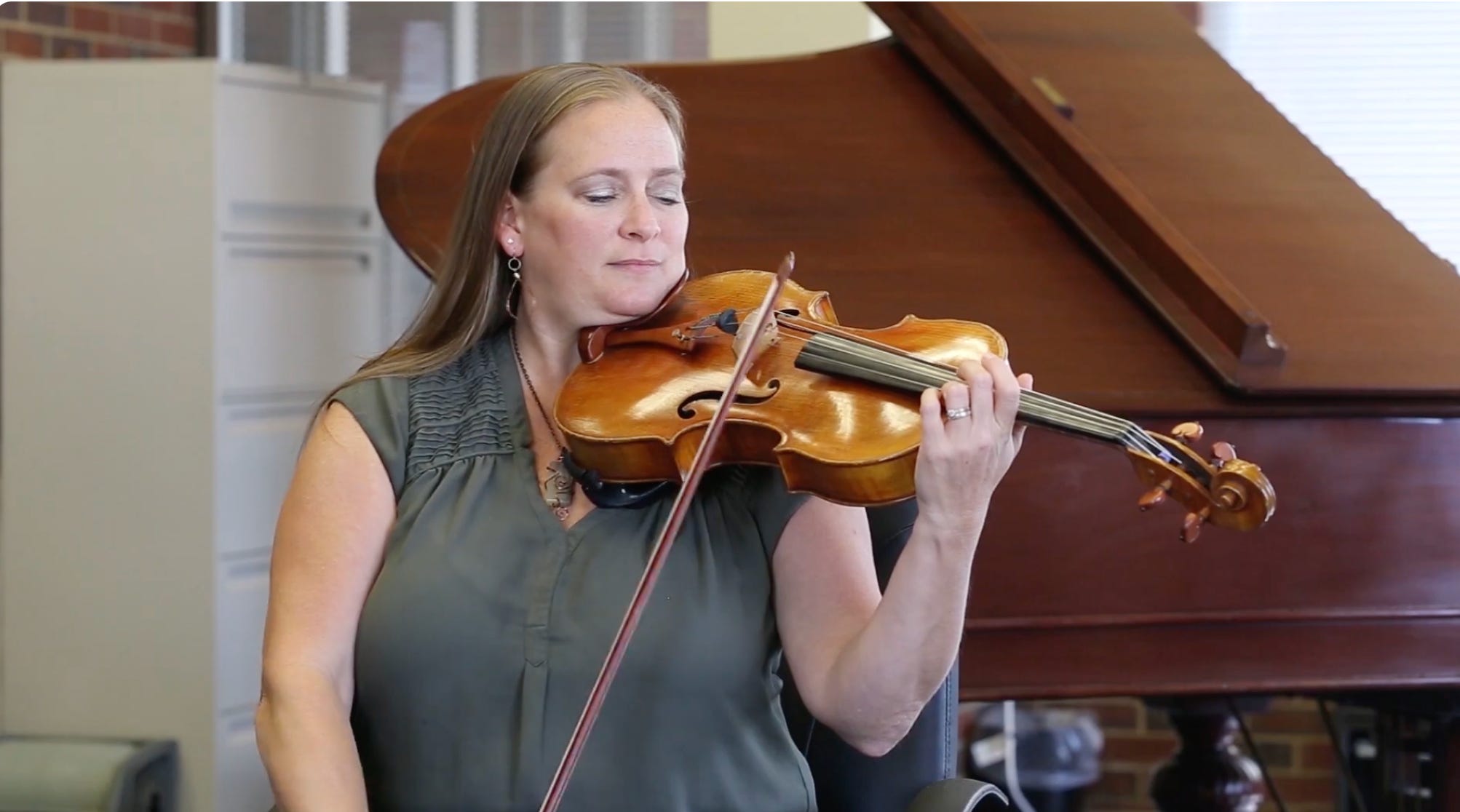
The symphony is my primary job, but it’s definitely not the only thing I do.
I’ve been fortunate to play recording sessions in Memphis, theater productions, weddings, and other freelance performances over the years. I feel so lucky to be living in a city like Memphis, where the history of of what's been recorded here, at places like Stax and Royal, runs so deep in our city’s history.
One of the highlights recently was recording the soundtrack for the movie Song Sung Blue. Everything was recorded here in Memphis, and it was exciting to be part of that project.
2. You've said winning an orchestra position can be as competitive as making it to the NBA. Why?
People don’t realize how competitive auditions are.
I compare winning an orchestra job to reaching the highest levels of professional sports. At that level, everyone has spent years preparing. And everyone’s human, so we all make mistakes. But sometimes the difference between getting the job or not can be as simple as making one less mistake than the next person.
Sometimes, it can be whether or not you brought a jacket to stay warm enough while you play.
3. Is performing under pressure something you ever get used to?
You get better at managing it, but the nerves never completely disappear.
Auditions are incredibly mental. Every hall feels different. Every warm-up room is different. You’re usually playing behind a screen, and you only have one opportunity to show what you can do.
The more auditions you take, the more you learn about handling those situations. Mock auditions help, especially in front of other musicians, but nothing replaces the experience of actually doing it.
4. Many young musicians focus almost entirely on practice. Is there anything they overlook?
Professional experience.
One of the biggest advantages I had in college was playing with regional orchestras while I was still a student. Every performance teaches you something you simply can’t learn in a practice room.
You can practice excerpts by yourself for hours, but you can’t recreate playing with eighty or a hundred other musicians. That’s where you really learn how orchestras work.
5. You’ve also spent many years teaching. Has that changed how you think about learning?
Definitely.
Teaching made me realize how important it is to prepare students for what’s coming next, not just the lesson they’re taking today.
Whether a student is preparing for an audition, a recital, or simply trying to improve, they need someone who’s thinking ahead and helping them build toward future goals.
6. Has your perspective on a music career changed over the years?
When I was younger, all I thought about was winning an orchestra job. Now I realize that building a career is much bigger than that.
Today’s musicians often need multiple sources of income. I recently started another creative business that I really enjoy, and it complements my work with the symphony.
For many musicians, creating a sustainable career means being willing to teach, freelance, record, perform, and explore other creative opportunities alongside orchestral work.
7. Would you still encourage students to pursue music professionally?
Absolutely, but I’d also encourage them to develop other interests.
Music can be a wonderful career, but it’s a difficult profession, and the field has changed so much over the years. If there’s another subject you’re passionate about, don’t be afraid to study that, too.
Having another set of skills doesn’t mean you’re less committed to music. It just gives you more ways to build the life you want.
8. After more than two decades with the Memphis Symphony Orchestra, what keeps you motivated?
I still feel incredibly fortunate.
Every rehearsal is different. Every performance is different. Every project brings new people and new music.
I’m grateful that I get to make music for a living, and I never lose sight of how lucky I am to do this work.
9. Looking back, what advice would you give your younger self?
Practice more. Party less.
I was fortunate to have supportive parents and wonderful teachers, but I also know I could have been more disciplined. Success in music doesn’t happen because of talent alone. It comes from consistency, preparation, and showing up every day.
If you’re serious about pursuing music professionally, you have to love the practice as much as the performance.